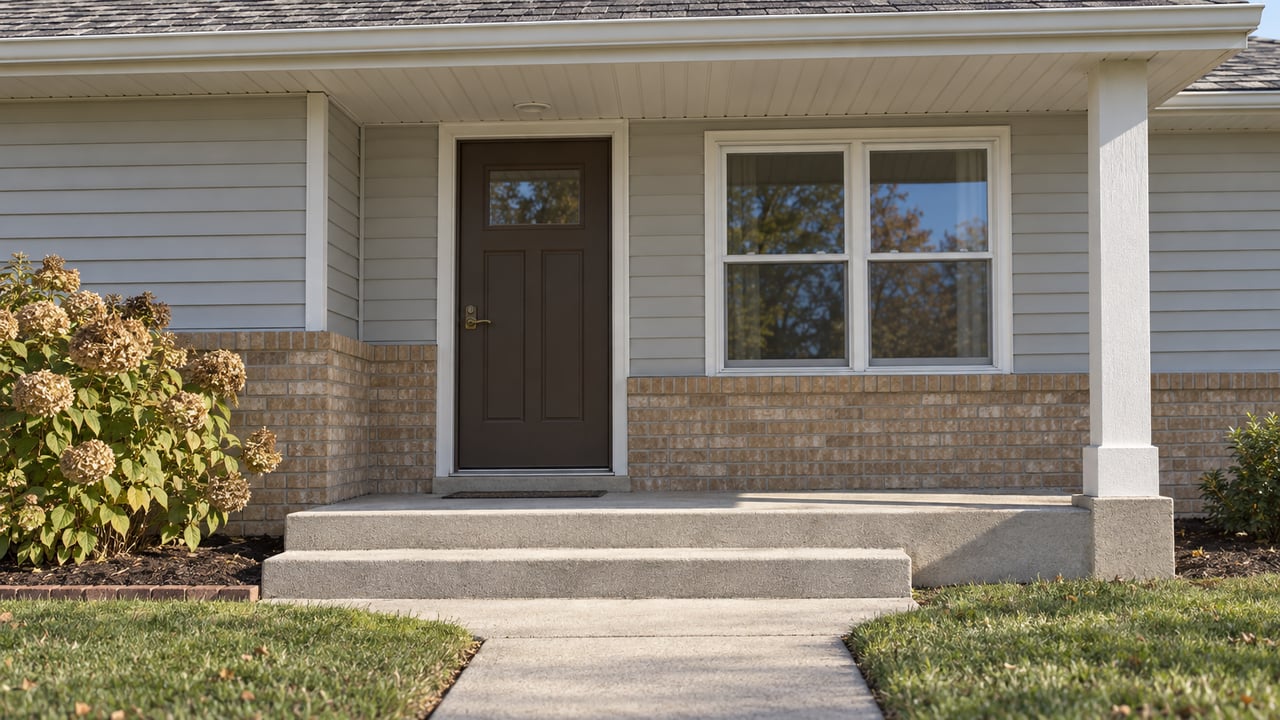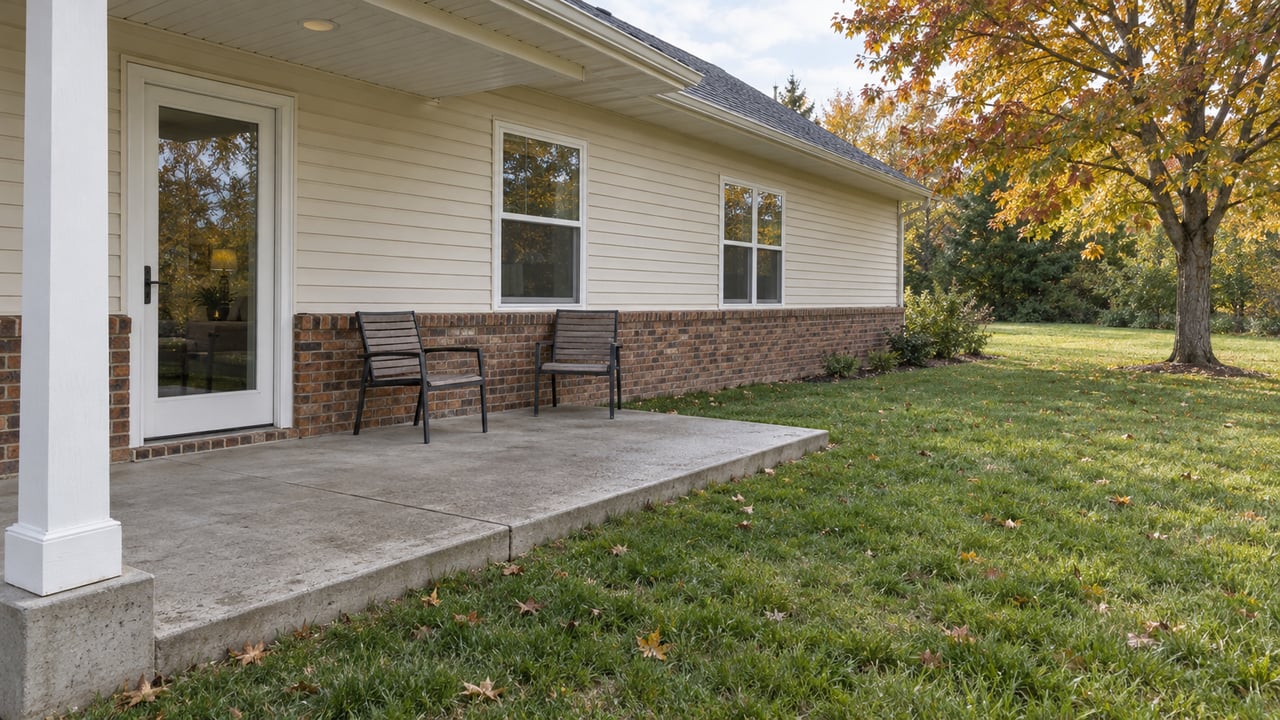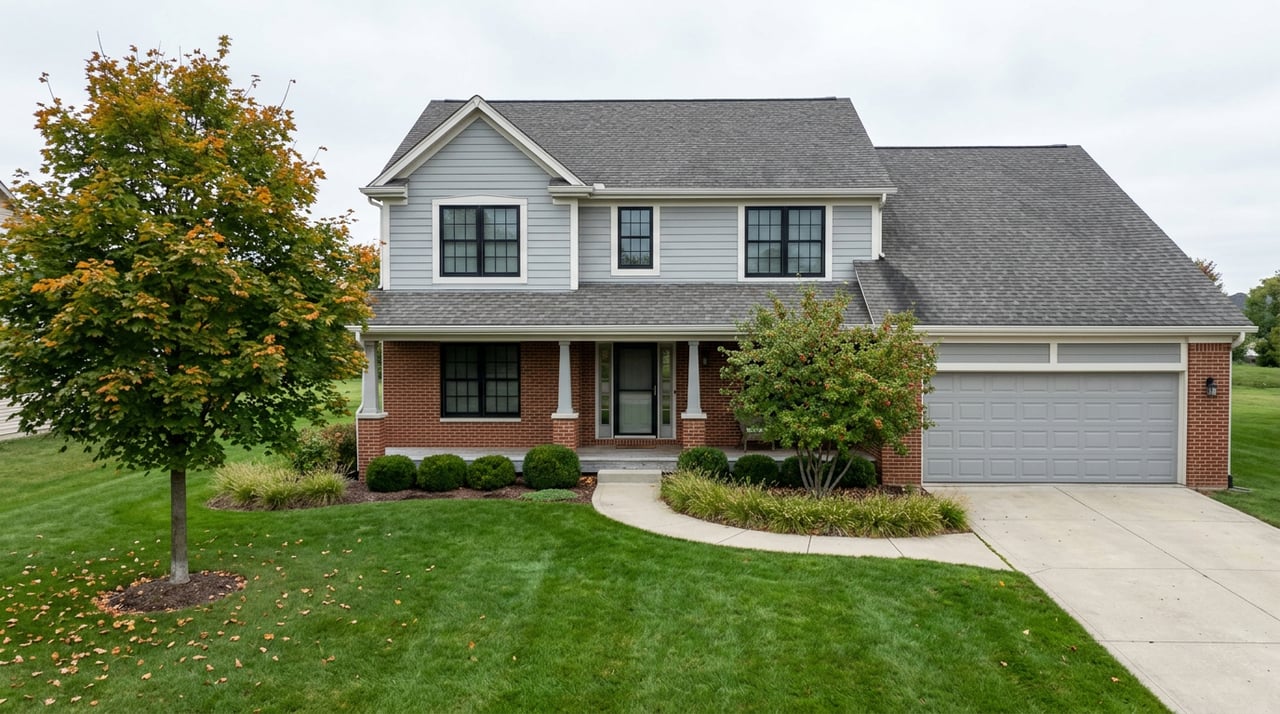
Trying to choose between a brand-new home and an existing one in Davison? You are not alone. For many buyers, this decision comes down to a few practical questions: how soon you need to move, how much you want to spend upfront, and how much maintenance you are comfortable taking on early. If you are weighing both options in the 48423 area, this guide will help you compare the tradeoffs clearly so you can make a smart, confident decision. Let’s dive in.
Davison Buyers Have Two Real Paths
In Davison, this is not just a theoretical debate. You can find both resale homes and active new-construction options, which gives you real choices depending on your budget and timing.
Recent market snapshots show a noticeable price spread. Depending on the source and month, Davison pricing has ranged from a median sale price of $220,000 on Redfin’s March 2026 market snapshot to a median home sale price of $299,900 on Realtor.com’s January 2026 overview, while Zillow’s February 2026 page showed a median list price of $277,783. The key takeaway is simple: Davison offers a range of price points, and new construction is typically priced above many resale options.
New Construction in Davison
Davison does have active builder inventory. Zillow’s 48423 new-home page lists 22 results, and builder communities currently marketed in Davison include Laurel Heights starting at $330,140, Stillwater at $359,685, and Villages of Wicklow at $364,900.
Many of these homes are part of planned communities rather than one-off custom builds. That means your decision is often about choosing a floor plan, lot, features, and move-in timeline rather than designing every detail from scratch.
Why buyers choose new builds
The biggest appeal of new construction is usually the feature set. Current Davison builder pages highlight benefits like open-concept layouts, contemporary finishes, insulated construction, Low-E windows, and RESNET energy certifications, according to Allen Edwin’s Davison community information.
If you want newer systems, modern design, and fewer immediate repair concerns, a new build may fit your goals better. Some communities also advertise features like quartz countertops and stainless steel appliances, which can reduce the need for updates right after closing.
The biggest downside of new construction
The main tradeoff is time. According to Census guidance on home construction timelines, a typical house takes about 1 month from permit to start and another 5 to 7 months from start to completion.
That does not mean every Davison build will take the exact same amount of time. Some communities offer move-in-ready homes, while others sell homes that still need to be built. Still, compared with resale, new construction usually requires more patience and more flexibility.
Builder warranties matter, but so do inspections
Many buyers assume a new home means no risk. That is not always true. The FTC explains new-home warranties, noting that many newly built homes include coverage such as:
- 1 year for workmanship and materials on many components
- 2 years for HVAC, plumbing, and electrical
- 10 years in some cases for major structural defects
Those warranties can be valuable, but they also have limits. The FTC notes they often do not cover appliances, small cosmetic cracks, or temporary housing costs during repairs.
That is why an inspection still matters. The CFPB recommends hiring an independent home inspector, even for new construction, and the Department of Energy notes that even new homes can have issues in the thermal envelope. In other words, “new” does not automatically mean “perfect.”
Resale Homes in Davison
Resale homes usually appeal to buyers who want a faster move, a lower entry price, or a home in a more established setting. Since the home already exists, you can evaluate the layout, lot, condition, and surroundings right away.
This can make decision-making easier. Instead of choosing from plans or waiting on construction, you are buying something you can walk through today.
Why buyers choose resale
Speed is one of the biggest benefits. If your lease is ending, your current home is under contract, or you simply do not want a long build timeline, resale often gives you a more direct path to closing.
Resale may also offer more room on price, depending on the listing and the month. Realtor.com’s Davison overview says homes sold 2.64% below asking on average in January 2026, while Redfin’s March 2026 data showed a 100.3% sale-to-list ratio and 33.3% of homes selling above list price. The lesson is that negotiation opportunities exist, but you should not assume every seller will discount heavily.
The tradeoff with resale homes
With resale, the biggest question is condition. Older systems, deferred maintenance, and past repairs can affect your budget soon after you move in.
A thorough inspection is essential. Fannie Mae’s inspection guide says inspectors commonly review roofing, plumbing, electrical, insulation, ventilation, heating and cooling systems, gas systems, and more. The CFPB also notes that if your contract includes an inspection contingency, you may be able to negotiate repairs or credits, or walk away if the results are not acceptable.
Some issues may require separate specialists. Radon, mold, pests, asbestos, or lead are not always covered by a standard home inspection, so it is important to understand what is and is not included.
Budget Is Usually the First Filter
If you are stuck between new construction and resale, start with budget. This is often the clearest way to narrow the decision.
The current Davison numbers suggest many resale homes fall in the low-to-mid-$200,000 range, while actively marketed new builds are starting in the low-to-mid-$300,000 range. That gap matters, especially when you factor in the full cost of buying.
The CFPB’s homebuying guidance reminds buyers to budget for more than the mortgage. You also need to plan for:
- Property taxes
- Homeowners insurance
- Closing costs
- Moving expenses
- Furniture or appliances
- Repairs and home improvements
If the higher upfront cost of new construction stretches your budget too far, resale may be the more practical choice. If you can comfortably afford a higher purchase price and want fewer near-term repair surprises, new construction may be worth the premium.
Energy Efficiency Can Shift the Math
One area where new construction may have an edge is ongoing efficiency. Newer homes often include insulation upgrades, tighter construction, Low-E windows, and certifications that support lower energy use.
According to the Department of Energy, high-performing homes can cost more upfront but less to own over time. The EPA also states that ENERGY STAR-certified new homes are at least 15% more efficient than code-built homes and typically 20% to 30% more efficient than standard new homes, though in Davison the actual feature sheet matters more than assuming every new home performs the same.
That is why details matter. Instead of focusing only on whether a home is “new” or “resale,” compare insulation, windows, HVAC age, and construction quality. A well-maintained resale home may still be a strong option, while a new build with strong efficiency features may reduce monthly utility costs.
A Simple Decision Framework
If you want to make this choice with less stress, use a simple framework. In my experience, the best decision usually comes down to timeline, budget, customization, and maintenance tolerance.
Choose new construction if you want:
- More modern layouts and finishes
- Lower near-term repair exposure
- The chance to choose certain finishes or floor plans
- Efficiency features that may lower ownership costs over time
- Flexibility to wait for construction or select a move-in-ready new build
Choose resale if you want:
- A faster move-in timeline
- A lower entry price in many cases
- The ability to inspect the exact home before you buy
- Potential inspection-based negotiation leverage
- A home in an already established setting
Questions to Ask Yourself
Before you decide, ask yourself these practical questions:
- How soon do I need to move?
- Do I want to choose finishes, or am I fine with an existing layout?
- Am I comfortable paying more upfront in exchange for less early maintenance?
- Do I want inspection leverage on a resale, or am I more comfortable with a builder warranty on a new build?
- Does my budget fit a resale in the low-to-mid-$200Ks, or a new build starting in the mid-$300Ks?
If you can answer those clearly, your next step usually becomes much easier.
The Right Choice Depends on Your Plan
There is no universal winner between new construction and resale homes in Davison. The better choice is the one that matches your timeline, your finances, and the kind of ownership experience you want in the first few years.
If you want a clear, customized plan for buying in Davison or anywhere in Mid Michigan, Jeremy Taljonick can help you compare options, understand the tradeoffs, and move forward with confidence.
FAQs
What is the price difference between new construction and resale homes in Davison?
- Current Davison data suggest many resale homes fall in the low-to-mid-$200,000 range, while advertised new construction often starts in the low-to-mid-$300,000 range.
How long does new construction usually take in Davison?
- Census guidance says a typical house takes about 1 month from permit to start and 5 to 7 months from start to completion, although some Davison communities also offer move-in-ready homes.
Should you get an inspection on a new construction home in Davison?
- Yes. The CFPB recommends an independent home inspector even for new homes because new construction can still have defects or performance issues.
Can you negotiate more on resale homes in Davison?
- Sometimes, but it depends on the listing and market conditions. Realtor.com showed homes selling below asking in one recent month, while Redfin showed some homes selling above list in another.
Is a builder warranty the same as a home warranty in Davison?
- No. The FTC says a builder warranty on a newly built home is different from a separate home warranty or service contract that you may purchase for an existing home.