If you have started looking at homes in Grand Blanc, you have probably noticed something quickly: not every part of the area feels the same. Some sections feel compact and convenient, some feel more like classic suburban subdivisions, and others offer more space between homes. Understanding those differences can help you avoid a search that feels too broad or confusing. In this guide, you will get a clear breakdown of Grand Blanc neighborhood styles and home types so you can match your goals to the right kind of area. Let’s dive in.
Why Grand Blanc Feels Different Area to Area
Grand Blanc is easier to understand when you think of it as both the City of Grand Blanc and Grand Blanc Charter Township, not one single uniform market. The city is much smaller and more compact, with about 8,000 residents across 3.6 square miles. The township surrounds it, covers 36 square miles, and has about 39,846 residents.
That difference in size shapes how neighborhoods feel. The city tends to feel more compact, while the township has more room for varied lot sizes and development patterns. For you as a buyer, that means your options can range from homes close to activity centers to properties in quieter, more spread-out residential settings.
Shared amenities also influence how people shop for homes here. Grand Blanc residents have access to parks, pathways, the library, the Heritage Museum, medical centers, restaurants, and shopping. Creasey Bicentennial Park and its connected features are one example of the recreation assets that can shape where buyers want to be.
Main Home Types in Grand Blanc
Grand Blanc is not just a detached-subdivision market. The local zoning and planning framework show a mix of single-family homes, attached homes, two-family options, mobile home park districts, and multifamily housing. That variety is one reason it helps to look beyond broad labels when you start your search.
Detached Single-Family Homes
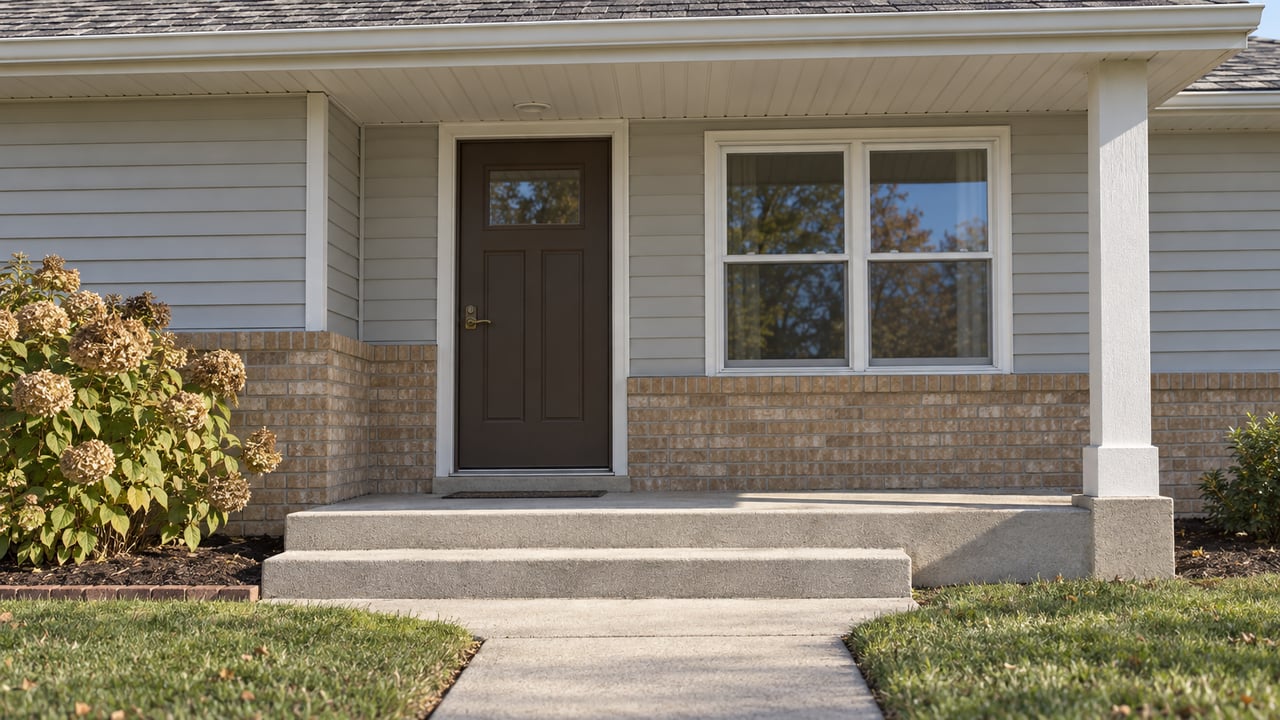
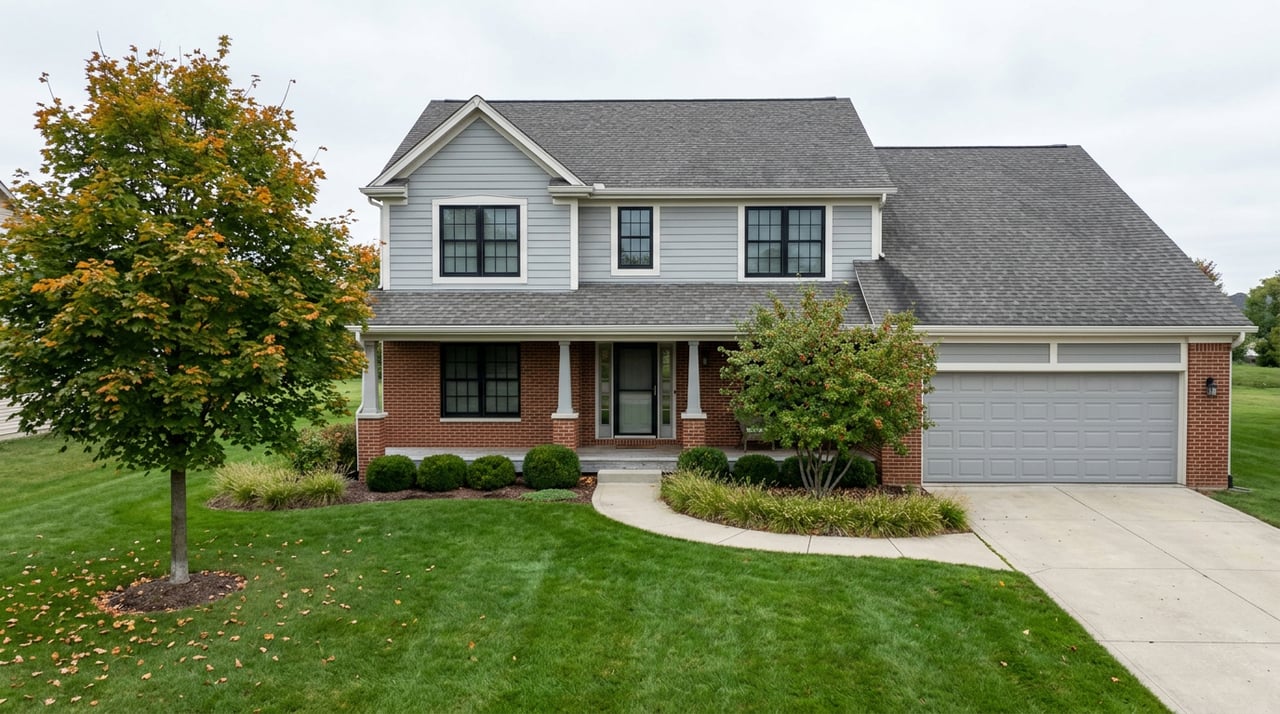
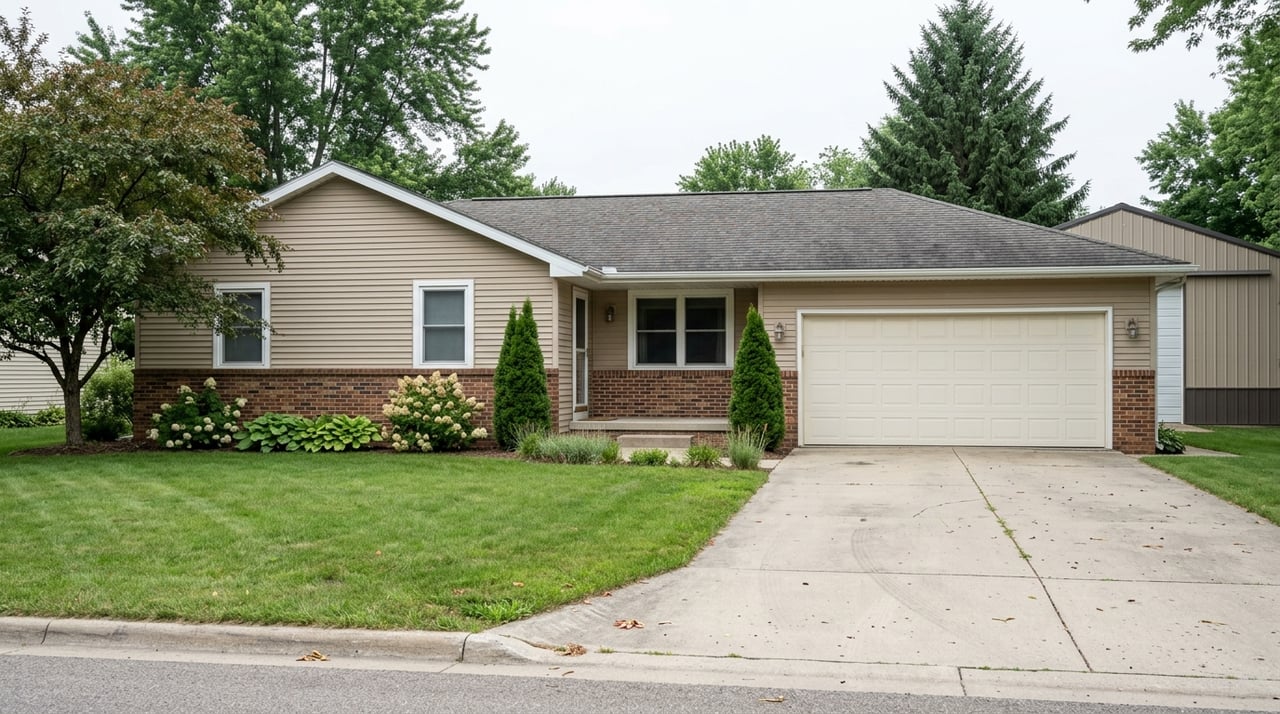
Detached single-family homes are one of the most common housing types you will see in Grand Blanc. In the city, R-1 and R-2 zoning districts allow single-family detached dwellings, subdivision projects, and site condominium projects. In practical terms, this supports many of the traditional neighborhood patterns buyers expect in a suburban market.
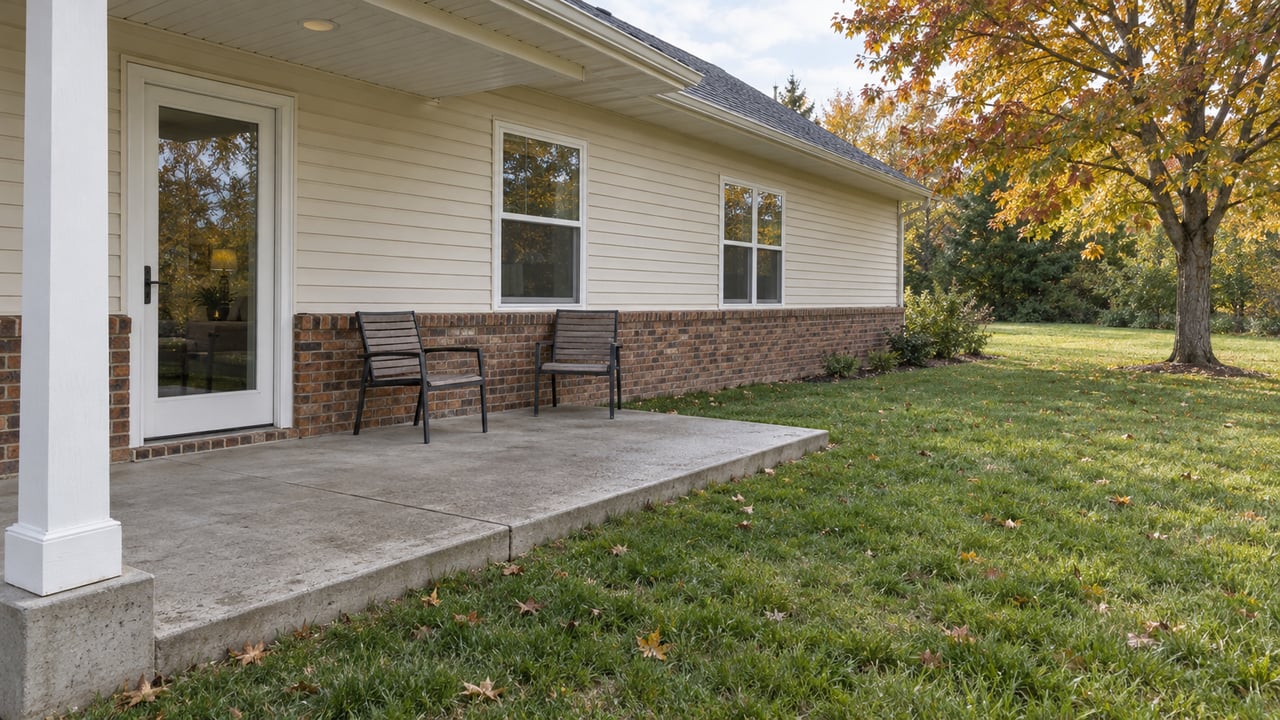
These homes are often the best fit if you want more private outdoor space, a more traditional layout, or a classic subdivision setting. In the township, lower-density planning categories reinforce that pattern in many areas away from major commercial corridors. If your priority is a standard suburban single-family home, this is likely where your search will begin.
Attached Homes and Condo-Style Options
Grand Blanc also includes attached housing choices, which can appeal to buyers who want less upkeep. The city’s R-3 district allows attached single-family units, with up to four units per building. The township’s moderate-density planning category also points to attached single-family and small-scale multifamily housing as part of the local mix.
It is also important to know that condo-style ownership is not unusual here. The city allows site condominium projects even in single-family districts, which means some homes may look and feel like detached houses while still falling into a condo-style ownership structure. If low maintenance is high on your list, these options may deserve a closer look.
Two-Family and Multifamily Pockets
Some parts of Grand Blanc include denser residential formats. City zoning districts such as R-T, LDMF, and HDMF allow two-family or multifamily housing forms. That means you may come across duplex-style settings, apartment-style communities, or other denser residential pockets depending on the area.
This matters because it broadens your options. If your budget, lifestyle, or maintenance preferences point you away from a larger detached home, Grand Blanc still offers choices. It is a layered market, not a one-note one.
Larger-Lot and Estate Settings
If your goal is more land and more privacy, the township offers a different side of Grand Blanc. The township’s Rural Estate category is intended for large-lot residential development at one unit per acre or less. The master plan notes that this pattern is concentrated in the southern township south of I-75, especially where municipal sewer and water are not available.
These homes can be a strong fit if you want elbow room and a quieter setting. The tradeoff is often more distance from daily services and more responsibility for property upkeep. If you like the idea of space, it helps to go in with a clear plan for what that lifestyle really involves.
How Neighborhood Layout Affects Daily Life
Home style matters, but layout matters too. The township master plan places neighborhood commercial uses at key intersections rather than spreading them evenly along every roadway. Community commercial areas also tend to cluster near major intersections and freeway access.
For you, that means convenience is often node-based. Some neighborhoods may give you quicker access to shopping, services, and dining, while others may feel more residential and removed from those everyday stops. Neither is better by default, but one may fit your routine better.
Village mixed-use areas and pathway connections also shape the feel of certain locations. If you want a home near recreation or activity hubs, it makes sense to focus on areas connected to parks, pathways, and city or commercial centers. If you prefer less activity, outer residential areas may feel like a better match.
Older vs Newer Neighborhood Tradeoffs
Not all Grand Blanc neighborhoods offer the same pedestrian layout. The township master plan says sidewalks should be required in new development, but also notes that sidewalks are infrequently present in existing neighborhoods. That creates a noticeable difference between some older and newer areas.
If walkability within the neighborhood matters to you, newer developments may offer more planned pedestrian connections. Older established neighborhoods may still offer strong location advantages, but they may not provide the same sidewalk network. This is one of those practical details that can affect day-to-day satisfaction more than buyers expect.
Neighborhood age can also influence maintenance expectations. Older homes may offer mature surroundings and established layouts, while newer areas may bring newer infrastructure and more standardized planning features. The right fit depends on which tradeoffs matter most to you.
Matching Home Type to Your Goals
A smart home search usually starts with your lifestyle, not just square footage. In Grand Blanc, the best area for you depends on whether you care most about convenience, privacy, or maintenance level. Getting clear on that early can save time and help you focus on the right inventory.
If You Want Lower Maintenance
Start by looking at attached homes, condo-style properties, and newer compact developments near commercial nodes. These options often reduce exterior upkeep compared with larger detached homes on bigger lots. That can be especially helpful if you want homeownership with fewer day-to-day property demands.
If You Want More Yard Space
Focus on lower-density single-family neighborhoods and larger-lot township settings. Rural-estate areas are the clearest signal that more land is part of the housing mix in Grand Blanc. These properties can offer more privacy, but they usually come with more yard work and exterior maintenance.
If You Want Convenience
Look near the city core, key commercial nodes, and areas connected to parks and pathways. Since services and retail tend to cluster rather than spread evenly across the community, location can have a big effect on your routine. A shorter drive to daily errands can make a real difference over time.
A Simple Way to Narrow Your Search
If Grand Blanc feels broad at first, that is normal. One of the best ways to simplify your search is to think in three buckets: compact and connected, traditional suburban, or larger-lot and quieter. Once you know which bucket fits your goals, the next steps become much easier.
You do not need to memorize zoning terms or planning categories to make a good decision. You just need a clear strategy for comparing tradeoffs like lot size, maintenance, proximity to amenities, and neighborhood layout. That kind of clarity can keep you from chasing homes that look good online but do not fit how you want to live.
Grand Blanc offers more variety than many buyers expect, which is a good thing when you approach it with a plan. If you want help narrowing down the right neighborhood style or home type for your goals, reach out to Jeremy Taljonick for a clear, customized strategy.
FAQs
What types of homes are common in Grand Blanc?
- Grand Blanc includes detached single-family homes, attached homes, condo-style properties, two-family housing, multifamily pockets, and larger-lot residential settings in parts of the township.
What is the difference between Grand Blanc city and township neighborhoods?
- The City of Grand Blanc is smaller and more compact, while Grand Blanc Charter Township is larger and includes a wider range of lot sizes, neighborhood layouts, and lower-density residential areas.
Are there condo-style homes in Grand Blanc?
- Yes. Grand Blanc includes attached housing and site condominium projects, so you may find condo-style ownership in both attached and some detached-looking home settings.
Where can you find larger lots in Grand Blanc?
- Larger-lot housing is most clearly reflected in the township’s Rural Estate planning areas, especially in the southern township south of I-75.
Are all Grand Blanc neighborhoods close to shopping and services?
- No. Shopping, dining, and services tend to cluster near key intersections, commercial nodes, and freeway-access areas rather than being evenly spread across every neighborhood.
Do newer Grand Blanc neighborhoods usually have sidewalks?
- The township master plan says sidewalks should be required in new development and notes they are less common in existing neighborhoods, so newer areas may be more likely to include pedestrian connections.