If you want your Swartz Creek home to make a strong first impression, the work starts before the listing goes live. In a market where homes can move quickly and buyers often see your property online first, small details can shape how much attention your home gets. The good news is that you do not need a full remodel to make an impact. You need a clear plan, smart prep, and a strong launch. Let’s dive in.
Why launch quality matters in Swartz Creek
Swartz Creek is a mostly owner-occupied community, with about 5,827 residents and a 69.9% owner-occupied housing rate. It also has strong internet access, with 88.9% of households reporting a broadband subscription. That matters because many buyers will form their first opinion of your home from photos and online listing details.
Current market snapshots place Swartz Creek home values and prices in the low-to-mid $200,000s, depending on the source and the metric being measured. Some reports show homes selling in as little as 14 days, while others show around 29 days on market. The takeaway is simple: pricing and presentation both matter, and your home should hit the market ready to compete from day one.
You may also notice that different housing sites describe the market differently. One may call it competitive, while another labels it a buyer’s market. That does not change the core strategy. A well-prepared home with a careful price and strong first-week exposure is usually in the best position.
Focus on the first three weeks
The first few weeks on the market often carry the most momentum. Recent housing research found that homes with the strongest sale-to-list performance often went under contract in the first two weeks. It also showed that price reductions tend to rise around week four.
That is why I encourage sellers to think about the launch as a concentrated window, not a passive wait-and-see process. You want your home cleaned, repaired, staged, photographed, and fully market-ready before it goes live. When the listing is strong from the start, you give yourself a better chance to attract serious interest early.
Timing can matter too. Zillow’s 2026 research says homes listed in the last two weeks of May sold for 1.7% more nationwide, and Thursday has historically been a strong day to go live. While every seller’s situation is different, the bigger lesson is to plan ahead instead of rushing to market.
Start prep earlier than you think
Most sellers begin thinking about selling three to four months before they list. That timeline makes sense because solid prep usually happens in stages. If you wait until the last minute, the process can feel stressful and rushed.
A better approach is to break the work into manageable steps. Start with decluttering and cleaning, then handle visible repairs, then make the home photo-ready. This gives you more control over the schedule and helps you avoid cutting corners.
Declutter first
Decluttering is one of the highest-impact steps you can take before listing. According to the 2025 NAR staging report, 91% of agents recommend decluttering before a home hits the market. It helps rooms feel larger, cleaner, and easier for buyers to understand.
As you go room by room, remove items that make the space feel crowded or overly personal. You do not need to strip your home of all character, but you do want buyers to focus on the house itself, not your stuff. If needed, use bins, a storage unit, or neatly organized closets to reduce visual noise.
Deep clean every space
Whole-home cleaning was recommended by 88% of agents in the same report, and for good reason. Clean homes feel better cared for. Even buyers who expect to update finishes later often react more positively to a home that looks fresh and maintained.
Pay close attention to kitchens, bathrooms, floors, baseboards, windows, and entry areas. Do not forget less obvious spots like light fixtures, vents, and doors. A clean home also improves the final look of your listing photos.
Prioritize visible repairs
Before you list, walk through your home like a buyer would. Look for dripping faucets, chipped paint, loose handles, scuffed walls, worn carpet, or anything that signals unfinished maintenance. Small issues can make buyers wonder what larger problems may be hiding.
This does not mean you need a major renovation. In most cases, the better return comes from minor repairs and touch-ups that improve presentation. Think in terms of removing distractions, not overbuilding for the market.
Improve curb appeal
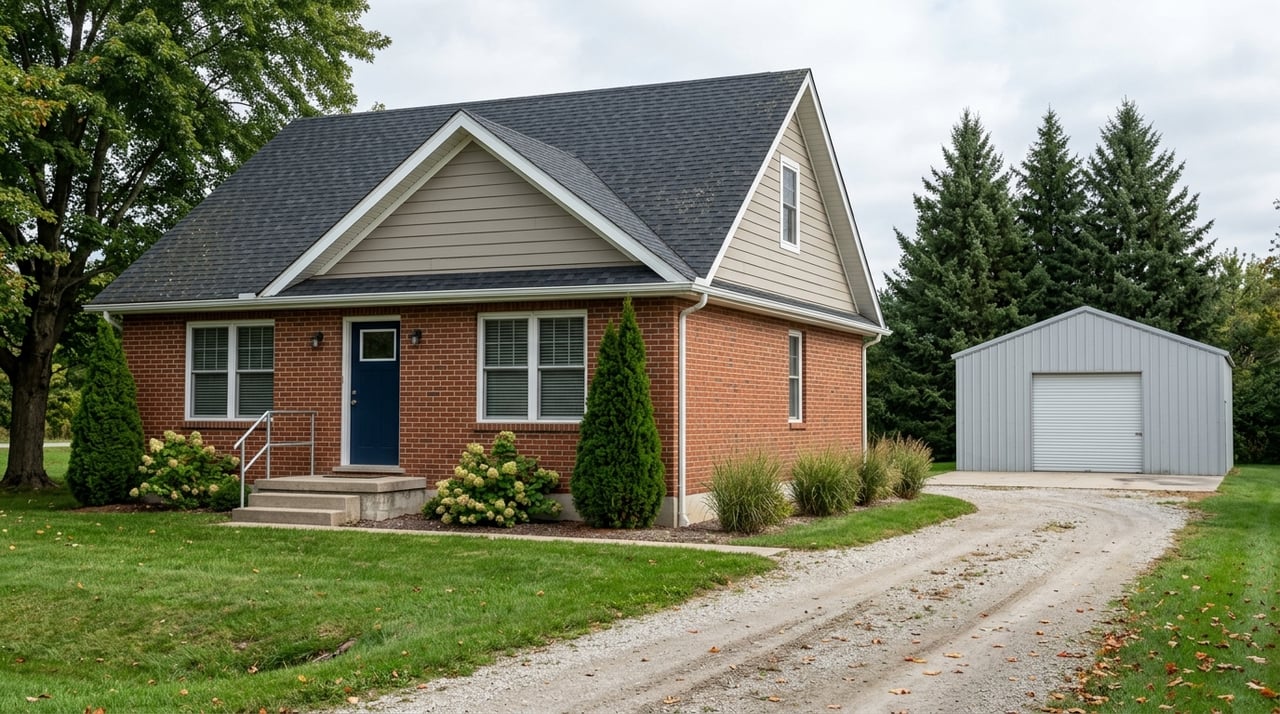
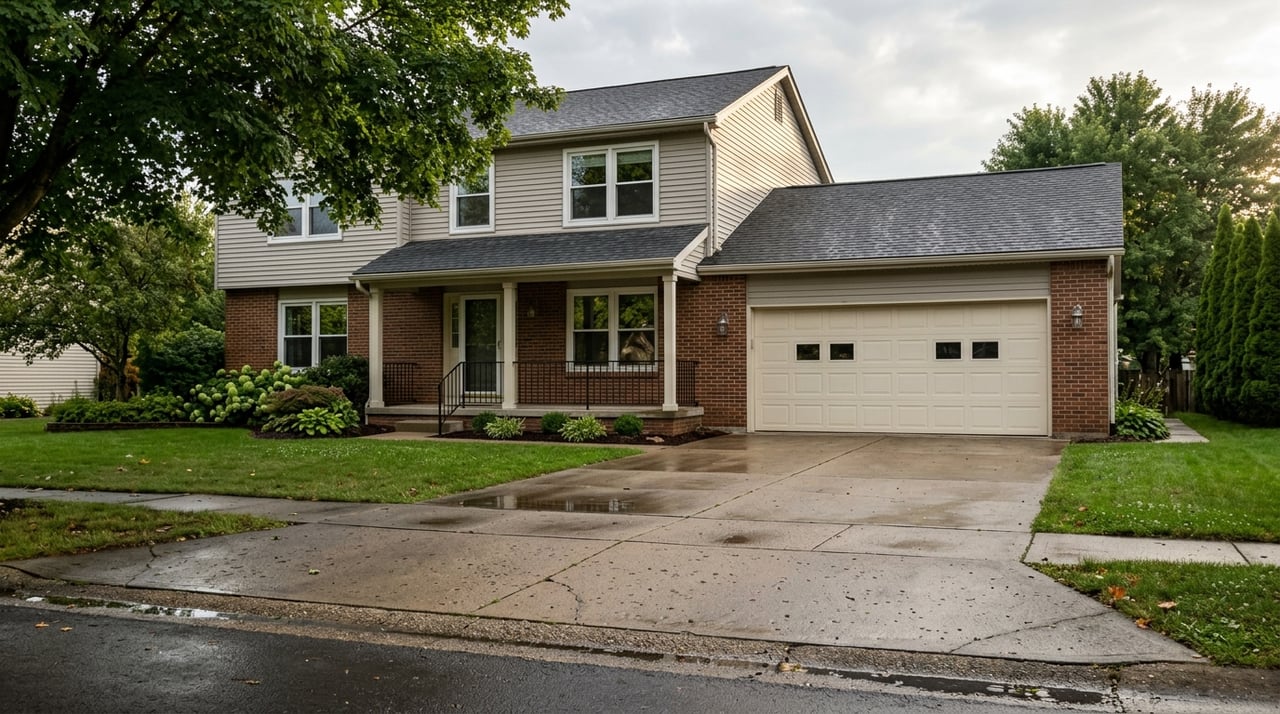
Curb appeal matters because buyers start judging the property before they walk inside. The NAR staging report found that 77% of agents recommend improving curb appeal before listing. That first look can shape the tone of the entire showing.
Simple updates can go a long way. Mow the lawn, edge the walkway, trim overgrowth, remove debris, and make sure the front entry feels inviting. If your porch, door, or exterior lighting needs attention, those updates can help the home show better both online and in person.
Stage the rooms that matter most
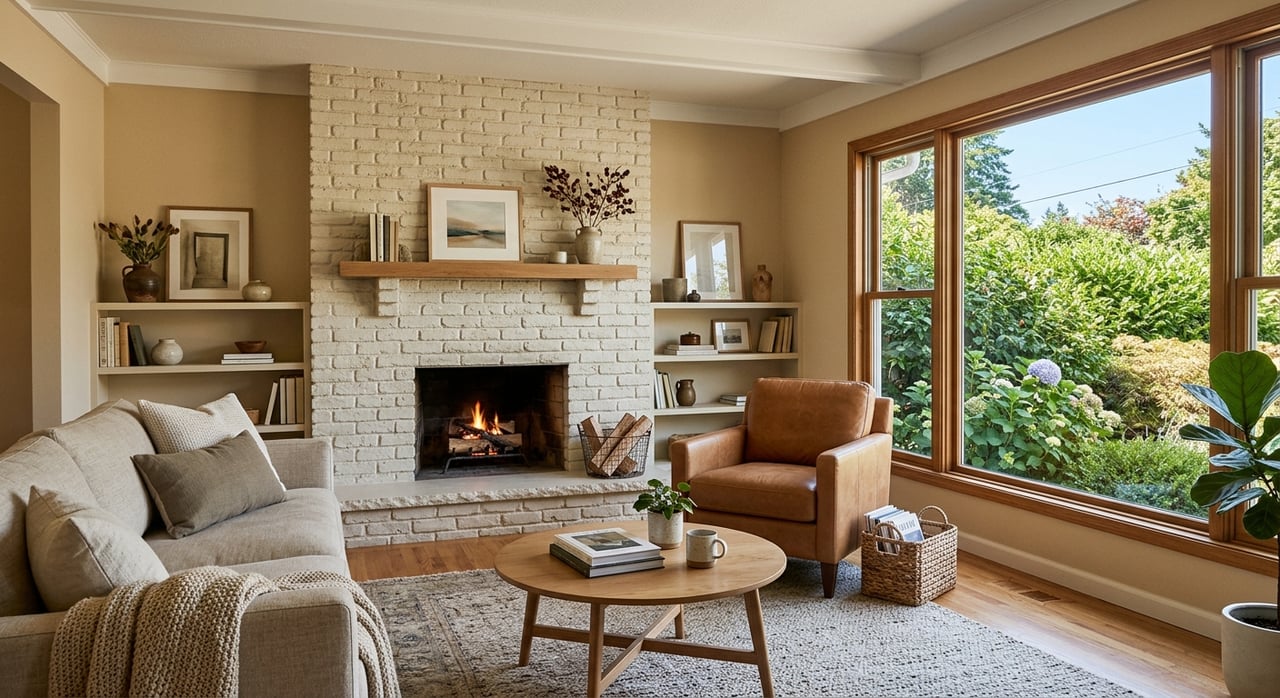
You do not need to stage every corner of the house equally. The rooms buyers tend to care about most are the living room, primary bedroom, and kitchen. These spaces often anchor a buyer’s impression of how the home lives day to day.
Staging is about helping buyers picture the space clearly. That may mean rearranging furniture, removing extra pieces, adding better lighting, or simplifying decor. Buyers’ agents say staging helps buyers visualize the property as a future home, which is one reason it can be so effective.
Make your home photo-ready
In Swartz Creek, online presentation matters. With 88.9% of households reporting broadband and 93.5% reporting a computer, digital visibility is a major part of your listing strategy. Many buyers will decide whether to schedule a showing based on your photos alone.
That is why your home should be ready before the media shoot, not after. NAR’s 2025 staging report found that photos were ranked as especially important by both buyers’ agents and sellers’ agents. Video, physical staging, and virtual tours also play an important role.
If the house is not fully ready when photos are taken, you risk weakening the listing at the exact moment attention is highest. In my approach, the goal is to concentrate exposure in the first three weeks, so the home needs to look its best from the start.
Gather disclosure documents early
Preparing to list is not just about appearance. It is also about getting organized. In Michigan, the Seller Disclosure Act generally requires a written seller disclosure statement for most residential transfers, and it must be delivered before the seller signs a binding purchase agreement.
The form is based on your known information and is not a warranty, but it covers a wide range of topics. It asks about things like basement water issues, structural or grading problems, past damage from fire or wind, underground storage tanks, easements, zoning issues, utility or municipal assessments, and pending litigation.
That is why it helps to gather repair receipts, contractor invoices, warranties, and any paperwork tied to known issues before the home goes live. When you prepare these items early, you reduce last-minute stress and make it easier to answer buyer questions clearly.
Check lead-based paint rules if needed
If your home was built before 1978, there is another key step. EPA rules require sellers to disclose any known lead-based paint hazards and provide the pamphlet Protect Your Family from Lead in Your Home. Sellers must also give buyers a 10-day period to test for lead-based paint or related hazards.
This is worth checking early in the process so nothing gets missed once offers start coming in. A smooth transaction often depends on getting both the presentation side and the paperwork side right.
A simple pre-list plan for Swartz Creek sellers
If you want to keep the process focused, start with this order of operations:
- Declutter each room and remove overly personal items.
- Deep clean the whole home.
- Complete visible repairs and paint touch-ups.
- Freshen up landscaping and the front entry.
- Stage the living room, primary bedroom, and kitchen.
- Gather seller disclosure information and repair records.
- Confirm any lead-based paint disclosure needs for pre-1978 homes.
- Schedule photos and video only after the home is fully ready.
- Launch with a pricing and marketing plan built for the first three weeks.
This kind of sequence keeps you from doing things out of order. It also supports a stronger debut, which is exactly where many sellers gain or lose momentum.
Strategy beats guesswork
Selling your home is not about doing everything. It is about doing the right things in the right order. In Swartz Creek, where homes may move quickly and buyers are likely to shop online first, the best results often come from accurate pricing, thoughtful prep, and a strong launch plan.
That is the approach I believe in. Clear strategy. Practical guidance. No catch-all advice. If you are getting ready to sell and want a customized plan for your home, connect with Jeremy Taljonick.
FAQs
What is the best way to prepare a Swartz Creek home before listing?
- Start with decluttering, deep cleaning, minor repairs, curb appeal, and staging the living room, primary bedroom, and kitchen before scheduling photos.
Why do the first weeks matter when selling a home in Swartz Creek?
- Early interest is often the strongest, and recent research shows homes with better sale-to-list performance often go under contract in the first two weeks.
What should Swartz Creek sellers fix before listing a home?
- Focus on visible issues such as chipped paint, worn flooring, scuffed walls, loose hardware, and other small maintenance items that may distract buyers.
Do Michigan sellers need a disclosure statement before selling a home?
- Yes, Michigan generally requires a written seller disclosure statement for most residential transfers, and it must be delivered before the seller signs a binding purchase agreement.
What if my Swartz Creek home was built before 1978?
- If the home was built before 1978, you must disclose known lead-based paint hazards, provide the required lead-safety pamphlet, and allow the buyer a 10-day opportunity to test for lead hazards.